Meet our team
Project Phoenix is run by researchers and community science experts at the Natural History Museum of Los Angeles County, the University of California, Los Angeles, and Cornell University. Read on to learn more about the people behind this project!
Our Team
-

Olivia Sanderfoot (she/her)
Olivia is a research scientist and project leader in the Center for Engagement in Science and Nature at the Cornell Lab of Ornithology. She is the leader of Project FeederWatch, an international participatory science program monitoring winter birds in North America. Her research program is focused on understanding how air pollution impacts the health and behavior of birds. Olivia’s current projects leverage participatory science to examine how wildfire smoke shapes species distributions and discover what constitutes smoke refugia for birds.
Olivia founded Project Phoenix during her postdoctoral fellowship in the UCLA La Kretz Center for California Conservation Science and the Natural History Museum of Los Angeles County. She served as Program Director from 2023–2026.
Olivia believes birding is a superpower, and all community scientists are superheroes. Olivia could not be more excited to lead Project Phoenix and engage communities across California in monitoring and protecting the birds that bring us such joy.
-

Allison Shultz (she/her)
Allison is Associate Curator of Ornithology at the Natural History Museum of Los Angeles County. Allison has taken over as Program Director of Project Phoenix for the 2026 season.
Allison has loved animals her whole life, and fell in love with birds during her undergraduate at UC Berkeley. She is a native Southern Californian, and loves the diversity of habitats (and birds!) available in a very small geographic area! She credits her artistic eye for first drawing her to studying bird coloration, but now that is one of her main fascinations.
Allison’s lab is dedicated to understanding the evolution of bird diversity, focusing on two major areas: how birds are responding to human-caused environmental changes, and how and why bird colors evolve. In addition to research, Allison is passionate about inspiring a love of nature in her community and beyond.
-

Morgan Tingley (he/him)
Morgan is an ornithologist, conservation biologist, and community and quantitative ecologist.
Morgan is a Professor in Ecology and Evolutionary Biology at UCLA. Morgan’s research is focused on understanding how large-scale anthropogenic drivers of change (e.g., climate change, invasive species, land-use change, fire regimes, and wildfire smoke) affect geographic distributions of birds and community interactions over short (years) to long (centuries) timespans.
-
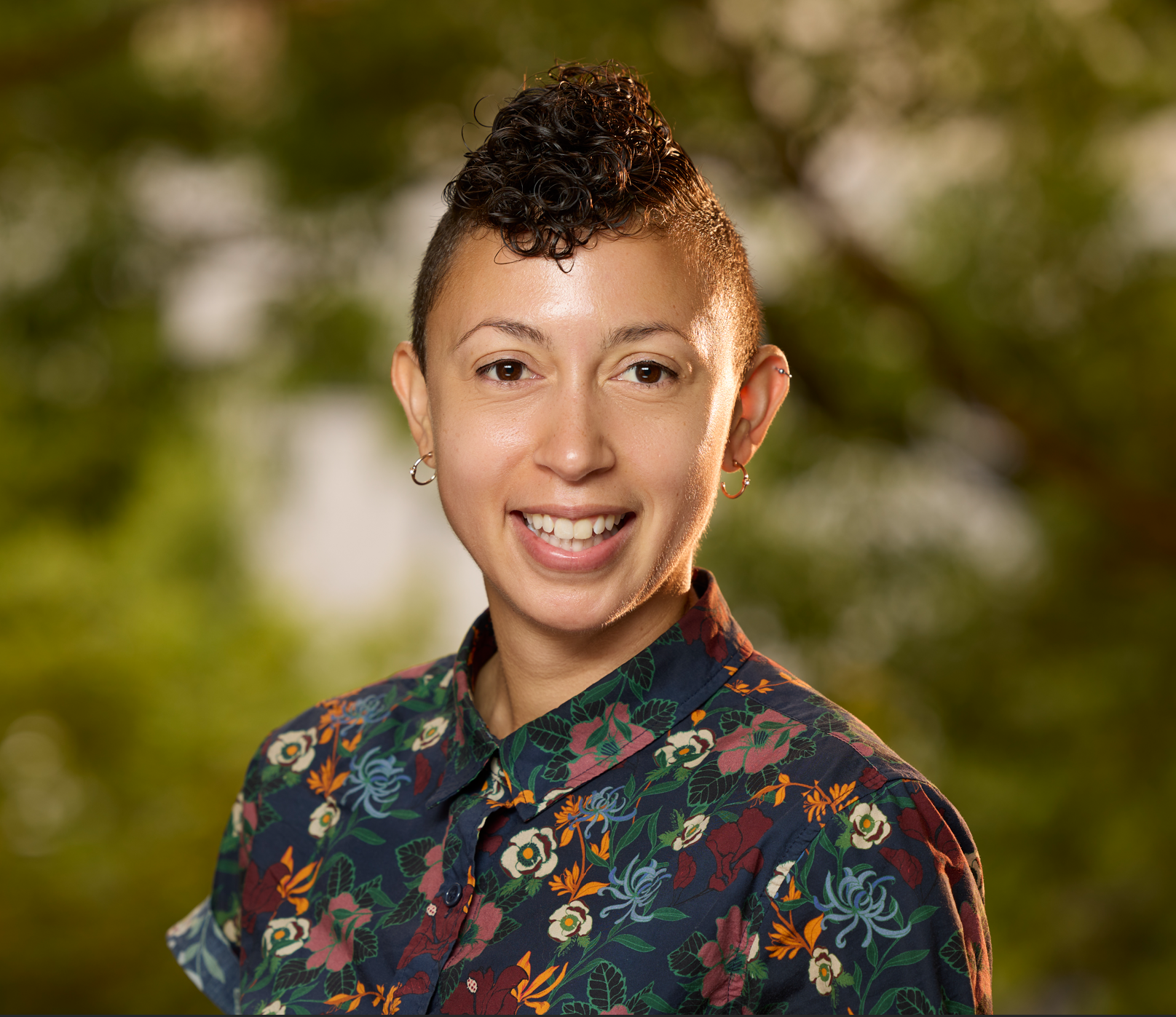
Christine Wilkinson (she/they)
Christine is a conservation scientist, science communicator, and the Assistant Curator of Community Science at NHMLAC.
As leader of the museum's Community Science team, Christine develops programs and research projects that prioritize valuing and improving relationships between people and non-human nature. Her research focuses on human-wildlife interactions, environmental justice, and One Health, and spans various landscapes and disciplines. Christine's lab explores topics ranging from urban coyotes and community-reported wildlife observations in California, to human-carnivore coexistence and fence ecology in rural Kenya.
She holds a B.S. in Natural Resources from Cornell University and a PhD in Environmental Science, Policy, and Management from UC Berkeley. Christine is also a Schmidt Science Fellow, a National Geographic Explorer, and a secretary bird enthusiast!
Photo by Mark Thiessen
-

Miguel Ordeñana (he/him)
Miguel is an environmental educator and wildlife biologist and currently works as Senior Manager of Community Science at the Natural History Museum of Los Angeles County.
As a community science manager, Miguel promotes and creates community science projects, and recruits and trains participants. Miguel utilizes his mammal research background by conducting urban mammal research in L.A. and co-leads the museum’s Southern California Squirrel Survey. Miguel continues to work, locally and internationally, on carnivore and bat research, including a jaguar project in Nicaragua.
He holds a bachelor’s degree in Environmental Studies from the University of Southern California, and an M.S. in Ecology from UC Davis.
-
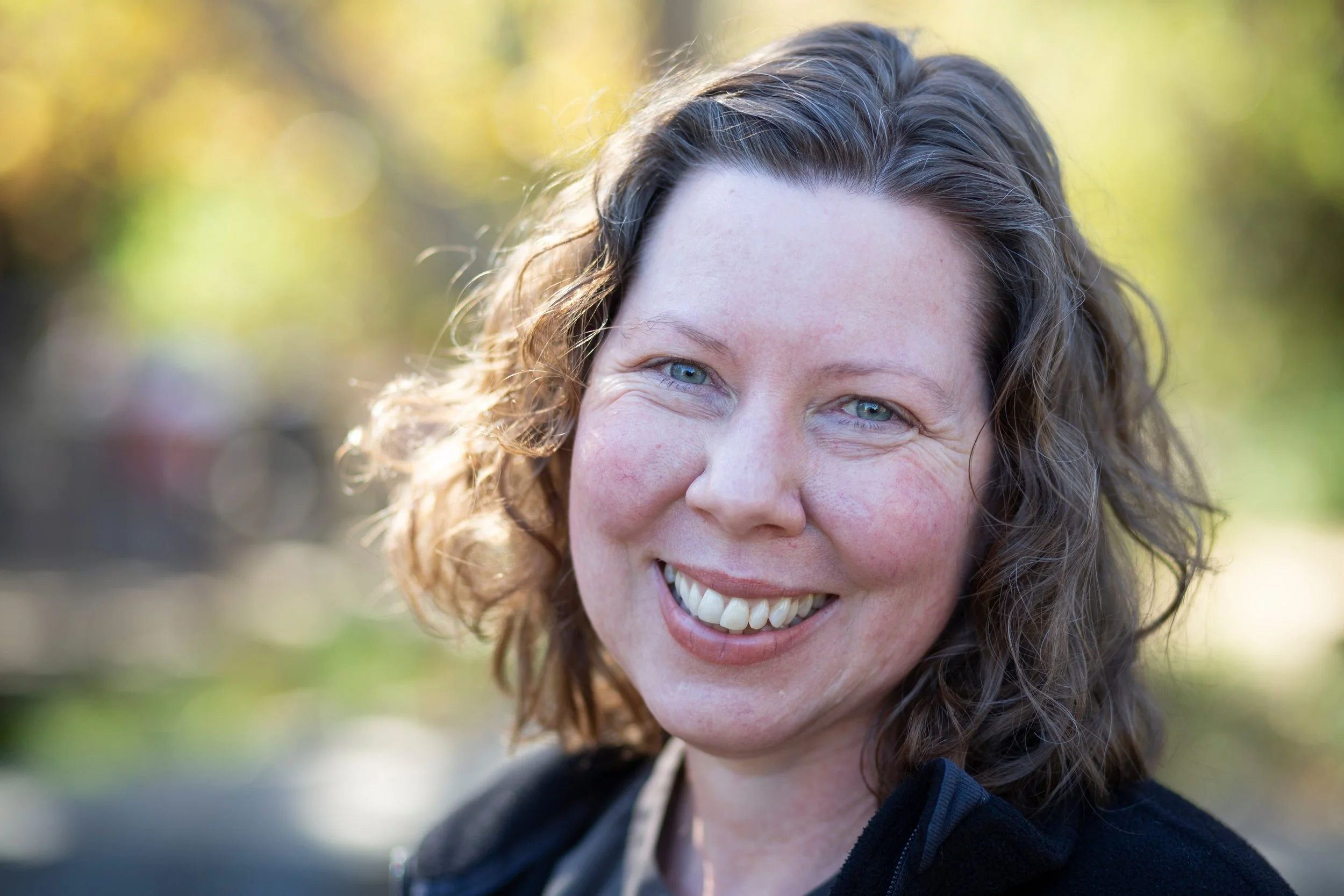
Amy Jaecker-Jones (she/her)
Amy is an Associate Manager of Community Science at the Natural History Museum of Los Angeles County.
Amy’s interest in community science began when she learned that her nature photos could be used to aid scientific research. After several years participating in various community science projects, she joined the Community Science Program at the Natural History Museum of Los Angeles County. At the museum, she co-directs the global City Nature Challenge, engages in bat research using acoustic detection, and leads in-person community roost emergence counts.
Amy is a California Naturalist, a Certified Interpretive Guide, and a graduate of Occidental College.
-

Liliana Hernandez (she/her)
Liliana is a Program Manager at the Natural History Museum of Los Angeles County. She holds bachelor’s degrees in Earth System Science and Chicane/Latine Studies from the University of California, Irvine. She also holds a master’s in Equity, Education, and Social Justice from California State University Long Beach. She is passionate about working at the intersection of the environment and community. Prior to joining NHM, she provided care and resources to unaccompanied youth arriving in the United States from Central America and worked with high school youth in Anaheim on food production and food insecurity issues at the Magnolia Agriscience Community Center.
At NHMLAC, she works with her team on projects such as Snail Search and the Bat Roost Counts, where her background supports her efforts to broaden access to community science for Spanish-speaking communities.
-
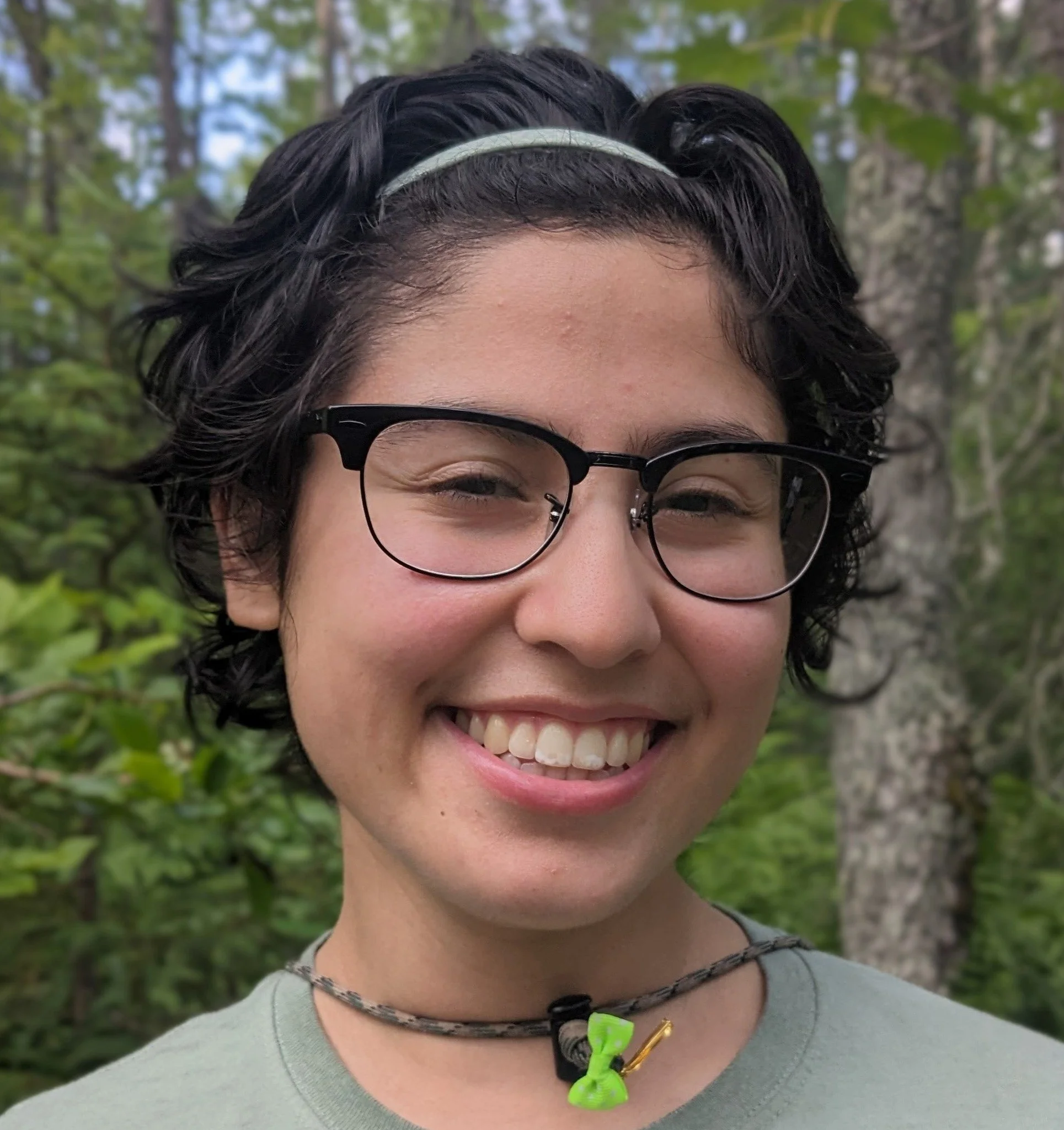
Lizbeth (Liz) Amador (she/Her/Ella)